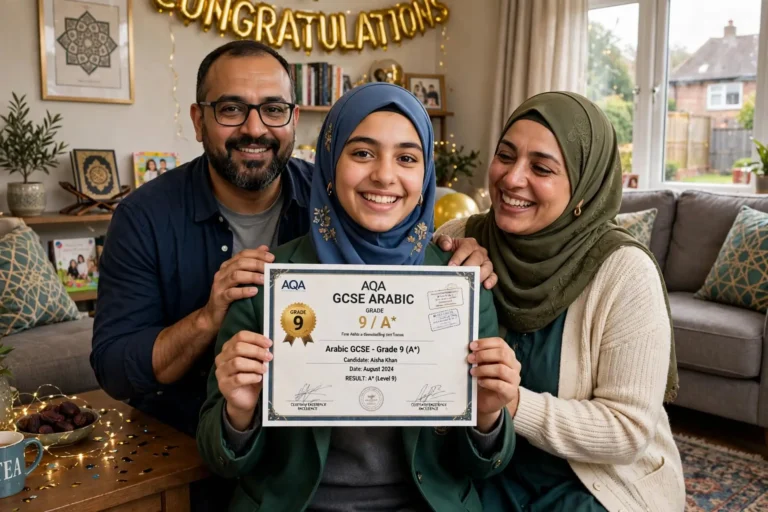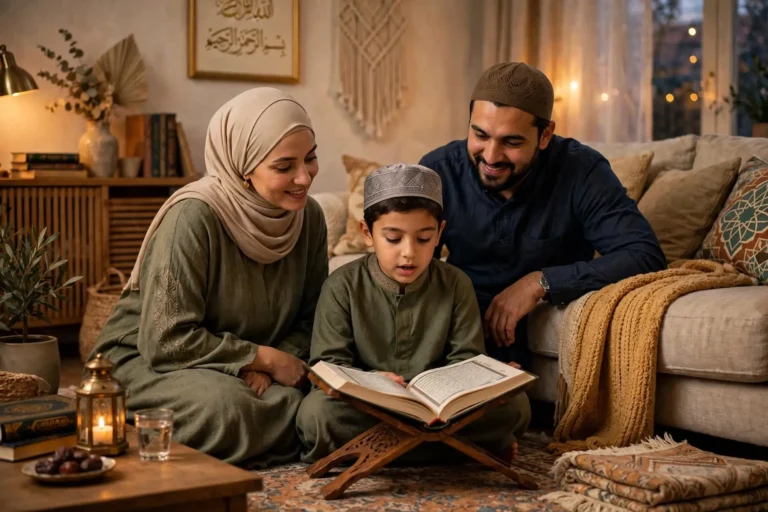
Learn Arabic for Kids | Fun, Easy & Affordable Arabic Classes Online

Learn Arabic for Kids: The Ultimate Parent’s Guide to Raising Bilingual, Confident Arabic Speakers

learn arabic for kids alot of children learning arabic

A complete, honest roadmap for parents in the US, UK, Canada, Europe, the Gulf, and Southeast Asia — no Arabic background required.

💙 You’re Not Alone

Every week, thousands of parents type searches like “best app to learn Arabic for kids” or “learn Arabic online free for kids” — and land on generic, unhelpful pages. This guide is different. It was written by experienced Arabic educators specifically for non-Arabic-speaking families who want real, lasting results. Read it once and you’ll have everything you need to start today.

🌍 Why Arabic Matters: The Big Picture

Arabic is more than just a language — it’s a gateway to faith, heritage, and opportunity.

The Language: 5th most spoken language in the world
The Numbers: 420+ million speakers globally
Religious Significance: Language of the Quran
Literary Tradition: 1,400+ years of written heritage
Geographic Reach: Official language in 22 countries
Economic Value: High-demand skill in global markets

When you invest in your child’s Arabic education, you’re not just teaching them words. You’re giving them a key that unlocks connection to over a billion people, access to sacred texts in their original form, and career opportunities that most of their peers will never have.

💎 1. Why Learning Arabic Is One of the Best Investments You Can Make for Your Child

Before we talk about how to learn Arabic, let’s talk about why — because when children understand the purpose behind their learning, they stay motivated far longer than children who are simply told “you have to learn this.”

🔗 Read more: Why Kids Should Learn Arabic

🤍 Arabic Connects Children to the Quran

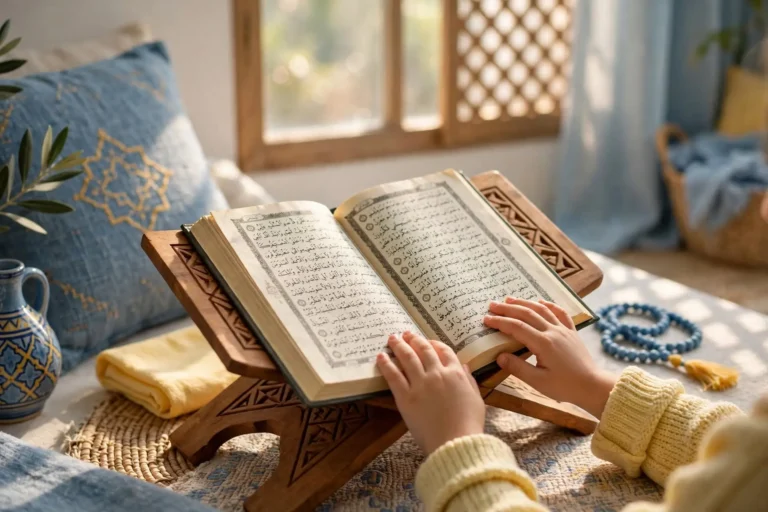
For Muslim families, this is often the most important reason. The Quran was revealed in Arabic, and its linguistic depth — its rhythm, its precision, its layers of meaning — cannot be fully understood in translation. A child who learns Arabic doesn’t just memorise Quranic verses; they begin to feel them, understand them, and carry them with a sense of ownership.

Learning to read the Quran in Arabic is one of the most transformative gifts a parent can give a child, and it begins with the Arabic alphabet.

📚 Studies show: Children who learn Arabic alongside Quran achieve significantly better comprehension and retention of religious knowledge. The two go hand in hand. When a child can read “بِسْمِ اللَّهِ الرَّحْمَٰنِ الرَّحِيمِ” and understand each word individually, the Quran transforms from a memorized recitation into a living conversation with their faith.

Research in Islamic education consistently demonstrates that early Arabic literacy correlates with deeper spiritual connection and longer-term religious practice. A seven-year-old who reads Arabic fluently approaches prayer, Quranic study, and Islamic knowledge with confidence that lasts a lifetime.

🏡 Arabic Builds Cultural Identity and Family Connections

Millions of Arab families live in the West — in the UK, the US, Canada, France, Germany, Australia — and their children grow up between two worlds. Arabic keeps that connection alive. Without Arabic, the connection slowly fades with each generation.

Children who speak Arabic can:

📚 Modern Standard Arabic (MSA / Fus'ha)
📚 Modern Standard Arabic (MSA / Fus’ha)

👵👴 Talk to grandparents in their native language, hearing family stories and wisdom that would otherwise be lost in translation
🎵 Understand family songs, poems, and the humor that only works in Arabic
🌍 Feel at home during visits to Egypt, Jordan, Lebanon, Morocco, the Gulf — not like tourists in their own heritage
🤝 Connect to roots in a way that builds genuine pride in their identity
📖 Access Arabic literature, films, and media that reflect their culture authentically

Linguists call this “heritage language maintenance,” and the research is clear: children who maintain their heritage language have stronger cultural identity, better self-esteem, and healthier relationships with their extended family. A landmark study from UCLA found that heritage language speakers reported 40% higher family cohesion scores than peers who lost their ancestral language.

Arabic isn’t just a language skill. It’s a lifeline to identity, belonging, and intergenerational connection.

💼 Arabic Is a Highly Valued Global Skill

From a purely practical perspective, Arabic speakers are in short supply in the Western world — and in high demand.

Who’s Hiring Arabic Speakers:

🏛️ Government: Intelligence agencies, diplomatic corps, defense departments
🌐 NGOs: International development, humanitarian organizations, peacekeeping
📰 Media: International journalism, translation, Middle East correspondents
💻 Tech: Localization specialists, international product teams
⚖️ Law: International law firms, immigration specialists, human rights organizations
🏥 Medicine: Hospitals serving Arabic-speaking communities
💰 Finance: Islamic banking, Middle East investment, trade specialists
🎓 Education: International schools, university language departments

A child who grows up bilingual in English and Arabic has a genuine and rare competitive advantage in almost any career they choose. According to the US State Department, Arabic is classified as a “critical language” — meaning there’s significantly more demand than supply for fluent speakers, which translates to better job prospects and higher salaries.

The Georgetown University Center on Education and the Workforce found that bilingual employees earn, on average, 5-20% more than their monolingual peers, with Arabic speakers commanding some of the highest premiums due to scarcity.

🧠 Children Learn Languages Faster Than Adults — But Only With the Right Approach

Here’s perhaps the most important reason to start early: the human brain is at its peak language-learning capacity between the ages of 2 and 12. During this window, children absorb new sounds, patterns, and vocabulary with an ease that adults can only dream of.

Age-Based Language Learning Advantages:

👶 Ages 2-7: Peak pronunciation absorption — children acquire native-like accent effortlessly
🧒 Ages 8-12: Strong reading & structure learning — literacy skills transfer from first language
👦 Ages 13+: Metacognitive skills allow faster grammar learning, but pronunciation fossilizes

A 6-year-old can pick up authentic Arabic pronunciation in weeks — pronunciation that would take an adult months of hard work to approximate. A 10-year-old can internalize Arabic grammar structures through natural exposure and play, without ever studying a grammar rule explicitly.

📊 Research says: Children who begin learning Arabic before age 12 consistently achieve higher fluency levels than those who start in their teens or adulthood — even when the older learner studies more intensively. This is due to neuroplasticity: young brains create new neural pathways for language far more efficiently than adult brains.

But here’s the critical caveat: children only learn languages faster with the right approach. Force-feeding grammar rules, drilling vocabulary lists, and pressuring children to perform kills motivation and slows acquisition. The “right approach” leverages children’s natural learning mechanisms: play, curiosity, relationship, emotion, and repetition without boredom.

🤔 2. What Makes Arabic Challenging — And Why That’s Not the Problem You Think It Is

Learn Arabic for Quran: A Special Guide for Muslim Families

Let’s be honest: Arabic is not an easy language for native English speakers. It consistently ranks among the most difficult languages for English speakers to learn, according to the Foreign Service Institute.

😨 What Adults Worry About:

❌ Different script that reads right to left
❌ New sounds that don’t exist in English (ع، ح، خ، ق، ط، ص، ض، ظ، غ)
❌ Complex grammatical structure (root and pattern system, case endings, dual forms)
❌ Diglossia: Modern Standard Arabic vs. spoken dialects creates two learning paths

These concerns are valid. Arabic has a steeper learning curve than Spanish, French, or German for English speakers.

But here’s what the research — and decades of classroom experience — tells us: children don’t experience Arabic difficulty the way adults do.

😂 What Kids Actually Think:

✅ Letter ع = “Cool new shape to draw!”
✅ Sound ق = “Funny noise that makes my throat tickle!”
✅ New word = Just another thing to memorise (like “tyrannosaurus” or “photosynthesis”)
✅ Right-to-left reading = “It’s like a secret code!”

💡 Key insight: Children are fearless linguistic experimenters. They don’t compare Arabic to English and judge it as “weird.” They don’t worry about making mistakes in front of others. They don’t try to understand grammar rules intellectually before using them naturally. They simply imitate, repeat, forget, try again — and through this natural process, they acquire the language.

Adults bring cognitive baggage that slows acquisition. Children bring curiosity that accelerates it.

This is why the teaching method matters far more than the language’s inherent difficulty. Arabic taught through songs, stories, colorful visuals, games, and warm encouragement is not just learnable — it is genuinely enjoyable for children. The problem parents face is not Arabic’s difficulty. It’s finding a teaching approach designed for how children actually learn.

🔤 3. Learn Arabic Alphabet for Kids: The Real First Step (and How to Make It Fun)
The Arabic alphabet has 28 letters. Each letter can take up to four different forms depending on its position in a word — initial, medial, final, and isolated. Most letters connect to the letters beside them, which is why Arabic looks like flowing script rather than discrete printed letters.

This sounds complex. And for adults learning Arabic, the alphabet often is the first major hurdle.

But here’s the reality for children: most kids master basic alphabet recognition and correct pronunciation in 6 to 10 weeks of consistent, playful practice — sometimes faster.

⏱️ Timeline: 6-10 weeks for solid letter recognition
🎯 Goal: All 28 letters + their sounds
📊 Success Rate: 95%+ with proper method

The difference between success and struggle comes down entirely to method.

❌ The Wrong Way (Why Traditional Classes Often Fail)

Showing children a chart with all 28 letters and asking them to memorize them in alphabetical order: ا ب ت ث ج ح خ د ذ ر ز س ش ص ض ط ظ ع غ ف ق ك ل م ن ه و ي

This is how Arabic is taught in many weekend schools and traditional classes. And it’s exactly why so many children find Arabic boring, confusing, or stressful. Letters presented in isolation have no meaning, no context, and no emotional hook. Children’s brains are not wired to memorize abstract symbols. They’re wired to learn through meaningful experience.

✅ The Right Way: Start with MEANINGFUL Words

The most effective approach begins with familiar, meaningful vocabulary — and teaches letters through the words children already care about.

Example Learning Sequence:

Letter: ب
In Words: باب (door), بيت (house), بابا (daddy)
Meaning: The child learns ب not as an abstract squiggle, but as the letter that starts “baba” — one of the most emotionally significant words in their life.

Letter: م
In Words: ماء (water), مدرسة (school), أم (mother)
Meaning: The letter becomes anchored in daily experience.

Letter: ك
In Words: كتاب (book), كلب (dog), كبير (big)
Meaning: Context creates retention.

When a letter has context, meaning, and emotional connection, it sticks. A five-year-old who learns that ب is “the letter in baba’s name” will remember it far better than one who learns “ب makes the sound /b/.”

🧰 Effective Alphabet Teaching Tools

🛠️ Tool / 🎯 Why It Works

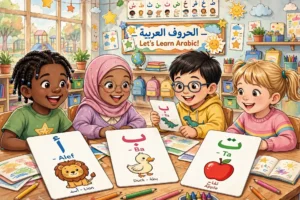
🃏 Colorful illustrated flashcards
One letter + one image + one word creates multi-sensory memory

🎵 Alphabet songs with simple melodies
Auditory rhythm boosts retention by 3x according to memory research

✍️ Tracing and handwriting activities
Writing activates different neural pathways than passive viewing

🎮 Matching games
“Find the ت in this word” or “Which two cards start with the same letter?” makes learning playful

📖 Storybooks with big, clear text
Seeing letters in authentic written context bridges the gap from recognition to reading

📱 Digital practice apps
Daily reinforcement at home through gamification

The most successful Arabic learning programs use all of these tools in combination, not in isolation.

💡 Parent Tip: You Don’t Need to Speak Arabic to Help

One of the most common concerns we hear from parents: “I don’t speak Arabic myself. How can I help my child learn the alphabet?”

Here’s the honest answer: You don’t need to speak Arabic to be an incredibly effective supporter of your child’s Arabic learning.

What you CAN do (even without Arabic knowledge):

✅ Spend 10 minutes a day looking at flashcards together
✅ Practice the sounds along with your child (the teacher will model them)
✅ Point to objects around the house and ask “what letter does this start with?”
✅ Celebrate when your child recognizes a letter in a book or sign
✅ Make alphabet practice part of your daily routine

What matters most is consistency and enthusiasm, not your own language ability. A parent who doesn’t speak a word of Arabic but sits with their child for 10 focused minutes every day will see far better results than a fluent Arabic-speaking parent who delegates all learning to a weekly class.

🔗 For a complete step-by-step guide to teaching the Arabic alphabet, see: Learn Arabic Alphabet for Kids

⚖️ 4. Modern Standard Arabic vs. Dialect: Which Should Your Child Learn First?

This is one of the most debated questions in Arabic language education, and parents ask it constantly. Should I focus on Modern Standard Arabic? Or should I teach my child Egyptian/Gulf/Levantine dialect since that’s what the family speaks?

The answer is nuanced — but it’s not complicated once you understand what each variety actually is.

📚 Modern Standard Arabic (MSA / Fus’ha)

Feature / Details

What is it? / Formal, written variety of Arabic

Used in / Newspapers, books, official documents, formal speeches, Quran

Understood in / All 22 Arab countries — from Morocco to Iraq

Stability / Remained largely stable for 1,400+ years, anchored by Quranic text

Educational Role / The variety taught in schools throughout the Arab world

Modern Standard Arabic is essentially “formal Arabic.” It’s the language of education, media, literature, and religion. A child who learns MSA can read a newspaper from Cairo, a novel from Beirut, an official document from Riyadh, and the Quran — all with the same linguistic foundation.

MSA is what connects the Arab world linguistically. While dialects differ dramatically from country to country, MSA serves as the common standard that all educated Arabs share.

🗣️ Arabic Dialects

Dialect / Region / Characteristics

🇪🇬 Egyptian / Egypt / Most widely understood across Arab world due to Egypt’s media dominance

🇱🇧 Levantine / Syria, Lebanon, Jordan, Palestine / Soft, melodic; heavy use of “sh” sound

🇦🇪 Gulf/Khaleeji / UAE, Saudi, Kuwait, Qatar, Bahrain / Distinct vocabulary and pronunciation

🇲🇦 Moroccan/Darija / Morocco, Algeria, Tunisia / Heavily influenced by French and Berber; often unintelligible to other Arabs

🇮🇶 Iraqi / Iraq / Unique grammar structures and vocabulary

🇸🇩 Sudanese / Sudan / Influenced by local African languages

Dialects are what people actually speak in daily life. They’re the language of conversation, humor, emotion, and authentic human connection. But they’re not standardized, not taught formally in schools, and often mutually unintelligible across regions.

🎯 The Honest Answer for Parents

Goal / Recommended Approach / Timeline

📖 Quran reading & comprehension / MSA / Quranic Arabic first / 6 months for basic reading, 12-18 months for fluent reading

👪 Speaking with Arab family / Family dialect + MSA foundation / Parallel tracks work well; introduce dialect naturally in conversation

🏫 Arabic school / GCSE exams / MSA essential / 2–3 years for exam readiness with consistent study

🌍 General bilingualism / MSA foundation + any dialect for speaking / 18 months for comfortable basic communication

💼 Future career opportunities / MSA first, then specialized dialect / MSA opens all doors; add dialect based on region of interest

The bottom line: For most families, MSA should be the foundation. It’s the variety with the most educational resources, the most qualified teachers, and the broadest applicability. Dialects can be added naturally through family conversation, media exposure, or targeted study once the MSA foundation is solid.

A child who masters MSA can pick up any dialect relatively quickly. But a child who only learns dialect will struggle enormously with reading, writing, Quranic study, and formal education.

🔬 5. The Science of How Children Learn Languages — And What It Means for Arabic

Understanding how children actually acquire language is the single most important piece of knowledge a parent can have. It changes everything about how you approach Arabic with your child.

👂 Input Before Output: The Listening Stage

Before children speak any language — Arabic, English, or otherwise — they go through a silent period of listening and absorbing. This is completely normal and developmentally healthy.

A child who has been hearing Arabic for four months may not seem to be “learning” anything, because they aren’t speaking yet. But massive learning is happening beneath the surface.

What’s Happening in the Silent Period:

🧠 Processing sounds: The brain is categorizing Arabic phonemes and distinguishing them from English
📊 Building vocabulary: Comprehension vocabulary grows far faster than production vocabulary
🔗 Creating neural pathways: New language networks are forming in the brain
🎯 Pattern recognition: The child is internalizing grammar patterns unconsciously

What Parents Should Do:

✅ Keep providing rich, meaningful input through stories, songs, and conversation
✅ Don’t force speaking before the child is ready
✅ Be patient and trust the process
❌ Don’t panic if your child isn’t speaking yet
❌ Don’t constantly quiz them or put them on the spot

Speaking emerges naturally when comprehension reaches a critical threshold. Pressuring a child to speak before they’re ready creates anxiety and resistance.

📈 Comprehensible Input: The Krashen Principle

Linguist Stephen Krashen’s research revolutionized our understanding of language acquisition. His Input Hypothesis states that language acquisition happens when learners are exposed to input that is just slightly above their current level — what he calls “i + 1” (current level + 1 step beyond).

🚫 Too easy: “I already know all of this” → boredom, no growth
✅ Just right: “I almost understand this! I can figure it out!” → optimal learning
🚫 Too hard: “I’m completely lost and confused” → frustration, shutdown

This is why good Arabic teachers for children constantly adjust their input based on each child’s current level. They use visuals, gestures, simplified speech, and repetition to make new language comprehensible — but they never dumb it down so far that it’s boring.

This is also why apps and pre-recorded courses often fail: they can’t adapt to your child’s specific comprehension level in real-time.

❤️ Emotion and Relationship: The Social Brain

Here’s a truth that many language programs ignore: children learn language from people, not from programs.

The quality of the relationship between child and teacher is just as important as the quality of the curriculum.

If Arabic is associated with: / The result is:

Warmth, stories, laughter, games, encouragement / ✅ Intrinsic motivation, persistence through difficulty, genuine love for the language

Pressure, correction, criticism, embarrassment, boredom / ❌ Resistance, avoidance, anxiety, eventual dropout

This is why skilled children’s Arabic teachers spend the first few sessions building rapport before pushing academic progress. A child who genuinely likes and trusts their teacher will work through mistakes, stay engaged through difficult material, and practice at home because they don’t want to disappoint someone they care about.

Brain science backs this up: the amygdala (the brain’s emotional center) directly impacts the hippocampus (the learning and memory center). When a child feels safe and happy, the hippocampus functions optimally. When they feel stressed or threatened, learning is impaired.

This is why online one-to-one classes with a warm, patient teacher often produce better results than crowded weekend school classrooms with strict, traditional instruction — even when the weekend school has a “better” curriculum on paper.

🔁 Repetition Without Boredom: Spaced Repetition

Children consolidate new language through repetition — but repetition doesn’t mean doing the same thing over and over in the same way.

The most effective repetition is spaced repetition through varied contexts.

Example: Learning the word كتاب (book)

Monday: Encountered in a story about a boy finding a book
Wednesday: Used in a matching game with pictures of objects
Friday: Appears in a song about school supplies
Next Monday: Child writes the word during handwriting practice
Next Wednesday: Teacher asks “where is the كتاب?” and child points to a book

Result: The word has been encountered 5 times in 10 days — but each time in a different, meaningful context. This creates far stronger retention than drilling the word 10 times in a single session.

Spaced repetition is built into good Arabic curricula. Parents can reinforce it at home by casually using new vocabulary in different situations throughout the week.

💻 6. Online Arabic Classes for Kids: Why They Work Better Than You Think

Ten years ago, online language classes for children were a compromise — something you chose when you couldn’t find a local teacher. Today, they are genuinely the best option for most families outside the Arab world.

🎯 One-to-One Attention Changes Everything

Factor / 🏫 Weekend School / 💻 One-to-One Online

Teacher attention / 👥 Divided among 15–20 kids / 🎯 100% focused on YOUR child

Pacing / One size fits all, often too fast or too slow / 📊 Perfectly adapted to your child’s level

Feedback / Limited; teacher can’t catch all mistakes / ✅ Immediate correction on every error

Participation / Shy kids get overlooked / Every child must engage fully

Scheduling / Fixed times, often inconvenient / 📅 Flexible around YOUR family life

Progress tracking / Generic report cards / Detailed notes after every session

📊 Research shows: One-to-one tutoring achieves two standard deviations better results than average classroom instruction — equivalent to moving a student from the 50th percentile to the 98th percentile.

This isn’t a small difference. It’s transformative.

In a classroom of 15 children, even the most skilled teacher can only give each child a few minutes of individual attention per hour-long session. In a one-to-one online class, your child has the teacher’s complete focus for the entire session. Every misconception is caught immediately. Every achievement is celebrated personally. The lesson adapts in real-time to exactly where your child needs support.

📅 Flexibility Fits Modern Family Life

Traditional weekend Arabic schools run on fixed schedules:
“Arabic class is Saturday 9-11am. If your child has a birthday party, sports game, or is simply tired, too bad.”

Online one-to-one classes adapt to your life:
✅ Weekday evenings after school
✅ Saturday mornings when convenient
✅ Sunday afternoons
✅ Different times each week based on your schedule

If your child has a school event, birthday party, is unwell, or simply had a rough week and isn’t in the right headspace to learn — you reschedule with 24 hours notice. There’s no falling behind the class, no pressure to attend when conditions aren’t right for learning.

This flexibility dramatically increases consistency, which is the #1 predictor of language learning success.

🌍 Access to Specialist Teachers

In most Western cities, finding a teacher who is:
✅ A native Arabic speaker
✅ Fluent in English
✅ Experienced in teaching children specifically
✅ Trained in modern language pedagogy
✅ Patient, warm, and engaging

…is genuinely difficult. Maybe there are 2-3 such teachers in your entire city, and they’re probably already fully booked.

Online platforms give you access to teachers across the world — teachers who have spent years, sometimes decades, perfecting the art of teaching Arabic to young non-native speakers. The quality ceiling is dramatically higher than any local geography can provide.

✨ What a Good Online Arabic Lesson for Kids Actually Looks Like

Time / Activity / Why It Works

🟢 0-5 min: Opening / Warm review of previous session in simple, friendly Arabic + English / Builds confidence; activates prior knowledge

🟡 5-15 min: New Content / Visual story, illustrated flashcards, or short video / Makes abstract concrete; engages visual learning

🟠 15-30 min: Guided Practice / Teacher models, then guides child through practice, gradually releasing control / Zone of proximal development; scaffolding

🔴 30-45 min: Active Learning / Game, puzzle, interactive activity, drawing / Cements learning through play; maintains engagement

🟣 45-55 min: Correction & Feedback / Teacher gently corrects mistakes through modeling, not criticism / No shame; just natural learning

🔵 55-60 min: Homework Assignment / Clear, achievable 10-minute task parent can supervise / Extends learning; involves family

⚪ After Class: Parent Communication / Written summary of what was covered + what to practice / Parents stay informed and involved

This structure isn’t random. It’s based on how children’s attention, memory, and motivation actually work.

⭐ Try a Free Arabic Lesson for Your Child — No Commitment

The fastest way to see if online classes are right for your family is to try one. Your child’s first lesson is completely free — no card required, no pressure, just genuine learning in a warm, encouraging environment.

👉 Book Your Free Trial Lesson →

📱 7. Best Apps to Learn Arabic for Kids: What Works and What Doesn’t

The app stores are full of Arabic learning apps — some excellent, most mediocre, a few that are actively counterproductive. Here’s how to evaluate any app you’re considering.

✅ What Makes a Good Arabic Learning App for Kids

/ Feature / Why It Matters

1 / 🎧 Audio-first design / Children hear every letter and word spoken clearly by a native speaker, not a robotic synthesized voice

2 / 🎨 Age-appropriate visuals / Bright, engaging illustrations that make abstract letters concrete and memorable

3 / ⏱️ Short sessions (5–15 min) / Matches children’s actual attention spans; sustainable daily practice

4 / 📈 Progressive difficulty / Not overwhelming; introduces new material gradually as child demonstrates mastery

5 / ✍️ Handwriting practice / Writing letters activates kinesthetic memory pathways that passive activities don’t

6 / 🖱️ Icon-based navigation / Very young children who can’t read English instructions can still use the app independently

7 / 🎮 Gamification without manipulation / Rewards progress without addictive dark patterns that harm attention spans

8 / 📊 Progress tracking / Parents can see what their child has covered and where they’re struggling

Apps that tick all these boxes are rare. Most apps excel in 2-3 areas but fail in others.

🧩 How Apps Fit Into a Complete Arabic Learning Plan

Apps are tools — powerful ones when used correctly — but they work best as a supplement to human instruction, not a replacement.

The Optimal Combination:

🎓 Online Class with Teacher (2x/week, 60 min each)
+

📱 Daily App Practice (10 min/day, 5 days/week)

🚀 FAST, SUSTAINABLE Progress

A child who has two one-hour online Arabic classes per week, then uses a quality app for 10 minutes on the other five days, will progress many times faster than a child doing either alone.

Why? Because the teacher introduces new concepts, provides feedback, builds relationship and motivation — while the app provides daily review, reinforcement, and independent practice between sessions.

Common Mistakes Parents Make with Apps

❌ Mistake #1: Downloading an app and expecting it to teach Arabic independently
Reality: Apps can’t replace human interaction, feedback, or relationship-based motivation

❌ Mistake #2: Letting the child use the app unsupervised with no connection to formal learning
Reality: Without parental involvement and connection to a curriculum, apps become aimless screen time

❌ Mistake #3: Switching apps constantly when progress feels slow
Reality: Consistency with one good app beats jumping between many apps; give it 3+ months

❌ Mistake #4: Choosing apps based on marketing rather than pedagogy
Reality: The flashiest apps are often the least effective; simple, well-designed apps often win

💡 Key Insight: Free Arabic apps can be excellent for letter recognition and basic vocabulary. However, for structured progression — especially for Quranic Arabic, reading fluency, and connected sentences — no app currently replaces a well-structured course taught by a qualified human teacher.

Apps are practice tools. Teachers are learning catalysts. You need both.

🔗 For our detailed review and rankings of the best apps to learn Arabic for kids in 2025 — including free and paid options — see our dedicated comparison guide: [Best Apps to Learn Arabic for Kids]

📖 8. Learn Arabic for Quran: A Special Guide for Muslim Families

For millions of Muslim families worldwide, learning Arabic is inseparable from learning the Quran. This section is written specifically for parents whose primary goal — or at least a major goal — is for their child to be able to read, understand, and connect with the Quran in Arabic.

🧭 Reading the Quran vs. Understanding the Quran: Two Different Journeys

It’s important to be clear about a distinction that confuses many families: reading the Quran in Arabic (recitation with proper Tajweed) and understanding the Quran in Arabic (comprehension of meaning) require different skills and different timelines.

Journey / What It Involves / Typical Timeline

📖 Reading the Quran / Arabic alphabet + short vowels (harakat) + basic Tajweed rules / 12–18 months from zero to reading Quranic text fluently

🤔 Understanding the Quran / Quranic vocabulary + Arabic grammar + familiarity with tafsir (interpretation) / 2–4 years from zero to meaningful comprehension

Many children can read the Quran beautifully without understanding what they’re reading. This is valuable — recitation itself is an act of worship — but it’s not the same as comprehension.

The ideal path develops both in parallel: reading progresses faster at first, while comprehension builds gradually and eventually catches up.

📈 The Quranic Arabic Learning Path

Step 1: Arabic Alphabet (الحروف)
Master all 28 letters and their sounds
Timeline: 6-10 weeks with consistent practice

Step 2: Short Vowels (الحركات)
Learn fatha (َ), kasra (ِ), damma (ُ), and sukoon (ْ)
Timeline: 2-3 weeks after alphabet is solid

Step 3: Letter Combinations
Read simple 2-3 letter words like كَتَبَ، قَرَأَ، شَمْس
Timeline: 4-6 weeks of reading practice

Step 4: Short Surahs
Begin with last 10 surahs (Juz Amma): An-Nas, Al-Falaq, Al-Ikhlas
Timeline: 2-3 months to read these fluently

Step 5: Basic Tajweed
Introduce simple rules: ghunna, qalqalah, madd
Timeline: Introduced gradually over 6-12 months

Step 6: Longer Surahs & Quranic Vocabulary
Progress through Juz Amma, begin learning word meanings
Timeline: Ongoing; 18+ months for strong foundation

This path takes most children 12-24 months from absolute zero to reading the Quran with basic fluency and beginning comprehension.

🎙️ The Role of Tajweed in Children’s Quranic Arabic

Tajweed refers to the rules governing the correct pronunciation and recitation of the Quran. It is not merely an aesthetic refinement — in Islamic tradition, reciting the Quran with proper Tajweed is an important religious obligation.

However, there’s significant debate about when and how to introduce Tajweed to children.

❌ The Wrong Approach: Tajweed Before Reading Fluency

Some traditional programs introduce complex Tajweed rules before children can read smoothly. This creates several problems:

  • Children become paralyzed trying to remember rules while reading
  • Reading feels stressful rather than joyful
  • Progress slows dramatically
  • Many children develop anxiety around Quranic recitation

✅ The Right Approach: Tajweed Alongside Reading Development

The most effective method introduces Tajweed gradually:

Months 1-3: Focus purely on letter recognition and basic reading
Months 4-6: Introduce natural pronunciation of emphatic letters through modeling (teacher pronounces correctly; child imitates)
Months 7-12: Begin naming simple Tajweed rules after child is already applying them unconsciously
Months 12+: Formalize Tajweed rules systematically

This approach builds confidence first, then refines technique. Children who learn this way recite beautifully AND understand what they’re doing — rather than mechanically applying rules they don’t comprehend.

🔗 Integrating Arabic and Quran Learning: The Best Approach

Many parents try to choose between “an Arabic course” and “a Quran course.” This is a false choice.

The best solution is integration — a teaching program that develops Arabic language skills and Quranic reading in parallel, with each reinforcing the other.

How Integration Works:

Arabic Lesson: Child learns the letter ب and practices words like بَيْت (house), بَاب (door), بِنْت (girl)

Quranic Connection: Teacher shows how ب appears in بِسْمِ اللَّهِ الرَّحْمَٰنِ الرَّحِيمِ

Result: The letter has both everyday meaning AND sacred significance

This integrated approach produces children who can read both the Quran AND secular Arabic texts — a much more valuable skill set than Quranic reading in isolation.

🔗 Explore our dedicated Quranic Arabic course for children, designed for beginners with no prior Arabic knowledge: Quranic Arabic (Fusha)

⏱️ 9. How Long Does It Take for a Child to Learn Arabic? A Realistic Timeline

This is the question every parent wants answered. And you deserve an honest answer, not vague reassurances or unrealistic promises.

Here is a realistic timeline based on consistent, quality instruction of two sessions per week (120 min/week) plus 10-15 minutes of daily practice at home.

Timeframe / 🏆 What Most Children Achieve / 🔑 Key Success Factor

1–2 months

  • Recognizes all 28 Arabic letters
  • Can produce letter sounds correctly
  • Knows 20–40 common words (colors, numbers, family members)
  • Shows enthusiasm for Arabic learning
    Daily alphabet practice with colorful, engaging materials; parental involvement

3–4 months

  • Reads short, fully-vowelized words with harakat
  • Knows 80–120 words across multiple categories
  • Can respond to simple questions in Arabic
  • Recognizes words in context (signs, labels)
    Regular reading practice; transition from letters to words; patient teacher who celebrates small wins

6 months

  • Reads short, simple sentences independently
  • Vocabulary of 150–250 words
  • Can follow simple children’s stories in Arabic
  • Beginning to write simple words
    One-to-one instruction with qualified teacher; daily app-based reinforcement; rich visual materials

12 months

  • Reads connected text with growing confidence
  • Vocabulary of 400–600 words
  • Can hold short, simple conversations
  • Reads basic Quranic text (last 10 surahs)
  • Writes simple sentences
    Consistency above all else; quality teacher who adapts to child’s needs; family encouragement

18 months

  • Comfortable reading age-appropriate texts
  • Vocabulary of 700–1000 words
  • Conversational ability in familiar topics
  • Reading larger portions of Quran
  • Growing writing ability
    Continued investment; exposure to Arabic media (cartoons, songs); celebrating cultural connections

2–3 years

  • Strong, confident reader
  • Vocabulary of 1200–2000+ words
  • Meaningful Quranic comprehension beginning
  • Can write paragraphs
  • Confident speaker in everyday situations
    Rich input through books, media; sustained motivation; Arabic integrated into family identity

These timelines assume:

  • Age 5-10 (optimal learning window)
  • Quality one-to-one online instruction with experienced teacher
  • Genuine parental support and encouragement at home
  • Consistent practice schedule (not sporadic)
  • Child’s health and emotional well-being are stable

Factors That Accelerate or Slow Progress:

⚡ Accelerators:
✅ Daily exposure to Arabic media (cartoons, songs)
✅ Arabic-speaking family members at home
✅ Child’s intrinsic interest in language/culture
✅ Parental enthusiasm and involvement
✅ High-quality, engaging teaching materials

🐌 Inhibitors:
❌ Inconsistent attendance (skipping classes frequently)
❌ Pressure and stress around learning
❌ Teacher who isn’t trained in children’s education
❌ App-only learning with no human interaction
❌ Negative associations with Arabic or Islam

💡 Most Important Factor: Consistency beats intensity every single time. A child who practices Arabic for 15 minutes every single day will outperform a child who does two hours on Saturday and nothing the rest of the week, even though the Saturday-only child technically has more total hours.

Daily contact with the language — even brief — is what builds lasting fluency.

🔍 10. Learn Arabic Online: Comparing Your Options (Classes, Courses, Apps, Books)

Parents today have more options than ever for helping their children learn Arabic online. The challenge is not finding options — it’s knowing how to evaluate them. Here’s an honest comparison of the main formats.

🎓 One-to-One Online Arabic Classes

❓ How many Arabic lessons per week does my child need?

Best for: Structured progress, accountability, personalized feedback, Quranic Arabic, reading fluency, children who need relationship-based motivation

Typical cost: $20–60 per session (60 minutes), depending on teacher qualification and geographic location

What to look for:
✅ Teacher has specific experience teaching children (not just adults)
✅ Teacher is a native Arabic speaker
✅ Structured curriculum that builds systematically
✅ Regular parent communication after each session
✅ Warm, encouraging teaching style (you can assess this in a trial lesson)

Limitations:
⚠️ Requires scheduling commitment (though flexible)
⚠️ Quality varies widely between platforms and individual teachers
⚠️ More expensive than apps or pre-recorded courses

Bottom Line: This is the gold standard for children’s Arabic education. The combination of human relationship, real-time feedback, and adaptive teaching produces results that no other format can match.

🔗 Learn more: Best Way to Learn Arabic for Children

📼 Online Arabic Courses (Pre-recorded / Self-paced)

Best for: Supplementary learning; older children (10+) with strong self-discipline; parents who want to preview content before teaching it themselves

Typical cost: $20–200 for a complete course; many available on platforms like Udemy

Popular platforms: ArabicPod101, Udemy, Mango Languages, various YouTube channels

What to look for:
✅ Courses specifically designed for children (rare)
✅ Clear progression from beginner to intermediate
✅ Interactive elements (quizzes, downloadable worksheets)
✅ High production quality (clear audio, engaging visuals)

Limitations:
⚠️ Very few quality self-paced courses exist specifically for young children (most are designed for adults)
⚠️ No personalized feedback or error correction
⚠️ Low completion rates (typically under 10% finish the full course)
⚠️ Can’t adapt to your child’s specific learning pace or challenges

Bottom Line: Useful as a supplement to live instruction, but insufficient as a primary learning method for young children who need interaction, feedback, and relationship.

📱 Arabic Learning Apps

Best for: Daily vocabulary reinforcement, alphabet practice, supplementary gamified learning, review between live sessions

Typical cost: Free to $10/month for premium features

Examples: (Note: specific apps not listed to avoid outdated recommendations; see our dedicated comparison guide)

What to look for:
✅ Age-appropriate design (for kids, not adults)
✅ Audio recorded by native speakers
✅ Progressive difficulty that adapts to user performance
✅ Handwriting practice components
✅ Offline availability (for car rides, flights)

Limitations:
⚠️ Cannot provide comprehensive Arabic education alone
⚠️ No live feedback or error correction
⚠️ No relationship-based motivation
⚠️ Many apps use gamification in manipulative ways that harm attention spans
⚠️ Most apps focus on vocabulary; few teach grammar or reading systematically

Bottom Line: Excellent as a daily practice tool to reinforce what a teacher introduces. Insufficient as a standalone learning solution.

📚 Online Arabic Books and PDFs for Kids

Best for: Reading practice, vocabulary reinforcement, bedtime stories, extending learning at home

Typical cost: Free to $15 per book

What to look for:
✅ Age-appropriate content and vocabulary
✅ Fully vocalized with harakat (تَشْكِيل)
✅ Rich, engaging illustrations
✅ Vocabulary matched to your child’s current level
✅ PDF format allows printing for physical books

Limitations:
⚠️ Passive medium (no interactivity)
⚠️ No pronunciation guidance
⚠️ Children typically need adult support to use effectively
⚠️ Hard to find properly leveled readers (most are either too easy or too hard)

Bottom Line: Valuable supplement for reading practice once basic literacy is established. Not suitable as a teaching tool for complete beginners.

▶️ YouTube and Free Online Video Content

Best for: Passive exposure to Arabic, alphabet songs, storytelling, cultural content, supplementary input

Typical cost: Free (ad-supported)

Recommended channels for kids: Learn Arabic with Maha, The Arabic Club, various alphabet song channels

Limitations:
⚠️ No personalization to your child’s level
⚠️ No feedback mechanism
⚠️ Quality is highly variable
⚠️ Screen time concerns
⚠️ Passive learning (child watches but doesn’t interact)

Bottom Line: Good for casual exposure and entertainment in Arabic. Not a substitute for structured instruction.

Comparison Summary Table:

Method / Cost / Effectiveness for Young Children / Time to Results

One-to-One Classes / $$$ / ⭐⭐⭐⭐⭐ / 6-12 months to basic reading

Pre-recorded Courses / $$ / ⭐⭐ / Highly variable; often incomplete

Apps / Free-$ / ⭐⭐⭐ (as supplement) / Reinforces but doesn’t teach independently

Books/PDFs / Free-$ / ⭐⭐⭐ (as supplement) / Builds reading; doesn’t teach from zero

YouTube / Free / ⭐⭐ / Exposure only; minimal learning

🔗 If you’re just getting started with a complete beginner, start here: Arabic for Beginners

📚 11. Arabic Stories for Kids: Why Storytelling Is the Secret Weapon of Language Learning

Of all the tools available for teaching Arabic to children, stories are among the most powerful — and the most underused by parents and traditional schools.

❤️ Why Stories Work: The Neuroscience of Narrative

When children listen to or read a story, their brains activate in ways that vocabulary drills never achieve.

Element / Effect on Learning / Why It Matters

🧐 Curiosity / Brain releases dopamine; heightened attention and memory consolidation / Child wants to know “what happens next” — this anticipation primes learning

📝 Context / Words encountered in meaningful situations stick 5x longer than isolated vocabulary / “The king opened the big باب” teaches باب in a way flashcards never can

❤️ Emotion / Happy/sad/excited moments activate the amygdala, which tags memories as “important” / Child remembers words associated with emotions far better than neutral words

🔁 Repetitive Patterns / Predictable structures let children anticipate and internalize grammar unconsciously / “Brown Bear, Brown Bear, what do you see?” teaches pattern + vocabulary simultaneously

Stories aren’t just fun. They’re neurologically optimized for language acquisition.

📖 Types of Arabic Stories That Work Best for Kids

Type / Characteristics / Example / Best For

🔁 Repetitive Pattern Stories / Phrases repeat with slight variations / “I see a _ looking at me” / Absolute beginners; builds confidence

📚 Graded Readers / Written specifically for learners at defined levels / Level 1: 50-100 word vocabulary | Level 5: 500+ words / Systematic vocabulary building

🖼️ Picture-Rich Stories / Illustrations support comprehension of new words / Wordless picture books | Heavily illustrated tales / Visual learners; pre-readers

🏛️ Cultural Tales / Traditional Arab folktales, fables | Stories about Arabic-speaking countries / Kalila wa Dimna | 1001 Nights (simplified) / Building cultural knowledge + language

📖 Quranic Stories / Prophetic stories told in simple Arabic | Children’s tafsir | Stories of the Prophets | Prophets’ stories: Nuh, Yusuf, Musa | Connecting language to faith

Graded readers are particularly valuable because they are carefully crafted to be comprehensible and learnable at specific proficiency levels — unlike authentic Arabic children’s books written for native speakers, which often have vocabulary and grammar structures far beyond the learner’s current ability.

A seven-year-old Arabic learner should not be reading the same books as a seven-year-old native Arabic speaker. They need books specifically designed for their language level, not their age.

🎯 How to Use Stories Effectively

❌ Wrong way:
“Read this story in Arabic. Look up any words you don’t know in the dictionary.”
Result: Frustration, exhaustion, no enjoyment

✅ Right way:
Day 1: Parent reads story aloud in Arabic while child follows along, pointing to pictures
Day 2: Parent reads again, pausing to explain 3-5 key words using gestures or visuals (not translation)
Day 3: Child attempts to read aloud with parent’s help
Day 4: Child reads independently
Day 5: Child retells story in their own words (Arabic + English mix is fine)

Stories should feel like play, not homework.

🔗 Explore our curated collection of Arabic stories for children at different learning levels: Learn Arabic Stories

🚀 12. A Proven Step-by-Step Plan: How to Help Your Child Learn Arabic From Zero

Here is the complete roadmap — a practical, actionable plan that brings together everything in this guide into a sequence you can actually follow, regardless of your own Arabic knowledge.

🔵 Step 1: Set a Clear, Meaningful Goal

Before downloading a single app or booking any class, sit down — ideally with your partner if you have one — and clarify what you actually want for your child.

Check all that apply:
□ 📖 Quranic reading (ability to recite the Quran with proper pronunciation)
□ 🤔 Quranic comprehension (understanding what the Quran says, not just reciting)
□ 👪 Conversational Arabic with grandparents and extended family
□ 🏫 Academic Arabic for school (GCSE, IB, or university prep)
□ 🌍 General bilingualism (comfortable using Arabic in daily life)
□ 💼 Future career advantage (Arabic as a professional skill)
□ 🧬 Heritage language maintenance (connection to roots and culture)

Different goals imply different teaching priorities. A child learning for GCSE exams needs different materials than a child learning to talk to grandma. There’s no “wrong” goal — but clarity is essential.

✍️ Write down your top 2 goals. This clarity will keep you motivated when progress feels slow, when your child resists, or when life gets busy.

🟢 Step 2: Create an Arabic Language Environment at Home

You don’t need to speak Arabic to create an Arabic environment. You just need to make Arabic visible and present in daily life.

Action / Example / Time Investment

🏷️ Label common objects / Sticky notes on door (باب), table (طاولة), window (نافذة), mirror (مرآة) / 15 minutes one-time

🎵 Play Arabic music as background / Arabic children’s songs during breakfast, car rides | Quranic recitation before bed / 5 min setup; ongoing benefit

📚 Place Arabic books visibly / Arabic books on same shelf as English books | Colorful covers at child’s eye level / 10 minutes organizing

📺 Add Arabic to screen time / Replace 1 English cartoon with 1 Arabic cartoon per day | YouTube: Arabic children’s songs / 0 extra time; swap only

🗓️ Use Arabic words in conversation / “Can you bring me the كتاب?” | “Let’s eat some تفاح” (apple) / Natural integration; 0 extra time

The goal isn’t fluency in household objects. The goal is normalizing Arabic as part of family life — not something exotic that only happens during “lesson time.”

🟡 Step 3: Begin With the Alphabet Using Playful Materials

Introduce 2-3 letters per week using varied, multi-sensory activities. Do NOT try to teach all 28 letters in the first week.

Week-by-week sample progression:

Week 1: Letters ب، م، ت
Week 2: Letters ن، س، ك
Week 3: Letters ل، ف، د
(Continue systematically through all 28 letters)

Daily 10-minute routine:

  1. Review previously learned letters (3 min)
  2. Introduce new letter with visual flashcard (2 min)
  3. Practice sound + handwriting (3 min)
  4. Play quick matching game (2 min)

🃏 Recommended tools:

  • Colorful illustrated flashcards (physical or digital)
  • Letter song or chant
  • Tracing worksheets
  • Fridge magnets with Arabic letters
  • “Letter hunt” game (find the letter in books, signs, labels)

⭐ Don’t rush. Solid letter knowledge is the foundation of everything. A child who confidently knows all 28 letters and their sounds is ready to begin reading — and reading opens every other door.

Most children complete alphabet mastery in 6-10 weeks with this gentle pace.

🔴 Step 4: Enroll in One-to-One Online Arabic Classes

This is the single highest-leverage investment you can make in your child’s Arabic journey.

A qualified, experienced Arabic teacher who specializes in children will progress your child faster, more confidently, and more enjoyably than any app, book, or self-study program — even if you’re following the app perfectly.

Recommended frequency:

Frequency / Investment / Expected Results

🟢 2 sessions/week (120 min total) / ~$160-240/month | IDEAL for fastest results / Fluent reading in 12 months; strong foundation

🟡 1 session/week (60 min) / ~$80-120/month | GOOD progress when paired with daily practice / Reading in 18 months; solid foundation

🔴 1 session every 2 weeks / ~$40-60/month | Minimal progress; likely frustration / Very slow; not recommended

What to look for when choosing a program:
✅ Teacher has 5+ years experience teaching children specifically
✅ Native Arabic speaker (preferably from Egypt, Jordan, or Palestine for clearest MSA)
✅ Teacher speaks fluent English (critical for communicating with parents)
✅ Structured curriculum (not random lessons)
✅ Free trial lesson offered (reputable programs always offer this)
✅ Parent communication after each session
✅ Flexible scheduling and easy rescheduling policy

🔗 See our courses: Arabic for Beginners | Quranic Arabic

🟠 Step 5: Add an App for Daily Reinforcement

Choose ONE good Arabic learning app and make it a daily habit.

Goal / Duration / When / Critical Success Factor

Build consistent habit / 10–15 minutes per day | Same time every day (after school, before bed, etc.) / Consistency matters more than duration

The app should reinforce what the teacher is covering in live sessions — not introduce completely new content. Think of it as “homework in game form.”

Apps to consider: (See our detailed comparison guide rather than listing specific apps here, as apps change frequently)

Common mistake: Downloading 5 different apps and using each sporadically. Better: Pick 1 app and use it daily for 3+ months before evaluating whether to switch.

🟣 Step 6: Introduce Arabic Stories and Reading Practice

Once your child can read short words — typically around Month 2-3 of alphabet learning — add short reading sessions.

Month / Reading Session Length / Frequency / Material Type

2–3 / 5 minutes / 3x/week / Single words; very short phrases

4–6 / 10 minutes / 4x/week / Short sentences; simple readers

7–12 / 15 minutes / 5x/week (almost daily) / Connected text; graded stories

12+ / 20 minutes / Daily (ideally) / Varied: stories, Quran, informational texts

Use fully vocalized (with harakat) graded readers at a level just below your child’s current ability, so reading feels achievable and builds confidence.

Reading should feel successful, not frustrating. If your child is struggling with more than 5-10% of words, the material is too hard. Drop down a level.

💛 Step 7: Celebrate Every Milestone

Language learning is a long journey with many small wins along the way. Celebrating these wins is not optional — it’s essential fuel for motivation.

Milestone / Celebration Ideas

First letter recognized / High-five + “You did it!” moment

First word read / Special sticker on progress chart

Alphabet completed (all 28 letters) / Certificate + family celebration (ice cream, special dinner, small gift)

First Quranic verse read / Frame and hang on wall + share with grandparents

50 words known / Progress party + choose reward

100 words known / Bigger reward (book, toy, special outing)

First conversation in Arabic / Video record + save forever

The celebrations don’t need to be expensive. What matters is specificity and genuine enthusiasm.

❌ Generic: “Good job”
✅ Specific: “You read that whole sentence by yourself! Last month you could only read two words. I’m so proud of how far you’ve come!”

Your genuine, specific enthusiasm is the most powerful motivator your child has. You cannot overestimate the impact of parental pride.

🤍 Step 8: Stay Consistent and Trust the Process

This is perhaps the most important step — and the hardest.

There will be weeks where progress seems invisible. There will be a phase when your child resists practice. There will be moments when you question whether all this effort is worth it.

This is completely normal in language learning. Linguists and educators call it a “plateau phase” — and it precedes a breakthrough almost every single time.

The Plateau-Breakthrough Cycle:

Month 1-2: 🚀 Rapid visible progress (exciting!)

Month 3-5: 📊 Plateau (frustrating; feels like no progress)

Month 6: 💥 Breakthrough! (sudden leap forward)

Month 7-9: 🚀 More rapid progress

Month 10-12: 📊 Another plateau

Month 13+: 💥 Another breakthrough

This cycle repeats throughout the entire learning journey. The families who succeed are not the ones whose children are naturally gifted at languages. They are the ones who stayed consistent through the plateau phases — who kept showing up to class, kept doing daily practice, kept encouraging their child even when progress wasn’t visible.

Trust the process. The progress is happening even when you can’t see it yet.

❓ 13. Frequently Asked Questions: What Parents Ask Most

❓ What is the best age to start learning Arabic for kids?

Age Range / Advantages / Considerations

👶 Ages 2-4 / • Peak phonological absorption

  • Can acquire native-like pronunciation effortlessly
  • No literacy skills needed; purely oral/aural / • Shorter attention span
  • Need extremely playful approach
  • Progress may seem slow initially

🧒 Ages 5-7 / • Still excellent pronunciation acquisition

  • Beginning literacy in English helps with Arabic reading
  • Longer attention span than toddlers
  • Eager to please teachers/parents / • May resist if approach is too academic
  • Need game-based, visual learning

👧 Ages 8-12 / • Faster reading and writing progress

  • Strong metacognitive skills
  • Can understand “why” behind grammar
  • More self-motivated / • Pronunciation less native-like than younger learners
  • Busier schedules (school activities)

👦 Ages 13+ / • Mature study skills

  • Understands long-term benefits
  • Can push through difficult material / • Pronunciation often retains accent
  • Competing priorities (social, academic)
  • May be self-conscious about mistakes

Bottom line: The earlier the better for pronunciation and cultural integration — but there is no wrong age to start. If your child is young, start now and leverage their natural language acquisition abilities. If your child is older, start now and leverage their mature study skills.

❓ Can my child learn Arabic if nobody at home speaks it?

✅ Absolutely — and this is one of the most common situations we encounter.

Thousands of children worldwide are learning Arabic through online instruction without any Arabic-speaking family members at home. Your role as a parent is not to teach Arabic (that’s the teacher’s job). Your role is to:

✅ Provide the environment (labeled objects, Arabic books, background music)
✅ Provide the encouragement (“I’m so proud of your progress!”)
✅ Provide the consistency (ensuring child attends class, does daily practice)
✅ Provide the enthusiasm (showing genuine interest in what they’re learning)

You do not need to speak a word of Arabic to be an incredibly effective supporter of your child’s Arabic journey.

Many of our most successful students have parents who don’t speak Arabic. What they have instead is commitment, consistency, and genuine pride in their child’s cultural/religious heritage.

❓ My child understands Arabic but refuses to speak. What should I do?

This is called “passive bilingualism” or the “silent period” — and it is completely normal, especially in heritage language learners who hear Arabic at home but have grown up primarily in English-speaking environments.

Understanding always develops faster than production. Receptive skills (listening comprehension) naturally precede productive skills (speaking) by months or even years.

What NOT to Do / What TO Do

❌ Pressure child to speak / ✅ Keep providing rich Arabic input without pressure

❌ Constantly correct when they do speak / ✅ Respond to meaning, not errors; model correct form naturally

❌ Put them on the spot in front of family / ✅ Create low-pressure opportunities for speaking (to teacher, in play)

❌ Show frustration or disappointment / ✅ Celebrate every spontaneous Arabic word that emerges

❌ Compare to siblings or peers / ✅ Focus on individual progress

Speaking confidence develops gradually as comprehension deepens. The speaking WILL come — if you give it time and remove pressure.

Think of it like a spring being compressed: all the input you’re providing is building up internal language knowledge. When the child feels ready and safe, the spring releases and speaking emerges naturally.

Pushing before they’re ready delays speaking further by creating anxiety.

❓ How many Arabic lessons per week does my child need?

Option / Expected Outcome / Best For

🟢 2 one-hour sessions/week + 10-15 min daily practice / OPTIMAL results; fluent reading in 12 months; strong conversational ability in 18-24 months / Families serious about fluency; children learning for Quran or academic purposes

🟡 1 one-hour session/week + 10-15 min daily practice / GOOD progress; reading in 18 months; basic conversation in 24-30 months / Budget-conscious families; children learning for cultural connection

🔴 1 session every 2 weeks / Minimal progress; likely frustration and eventual dropout / Not recommended; better to wait until you can commit to weekly

⚪ Daily app only (no teacher) / Slow alphabet learning; limited reading; no speaking or comprehension / Very tight budget; supplement only

The daily practice component is just as important as the weekly lessons. Two sessions per week with zero home practice will produce slower results than one session per week with consistent daily practice.

❓ Should I choose Modern Standard Arabic or Egyptian Arabic for my child?

Unless you have a specific reason to prioritize a dialect (for example, your extended family speaks Egyptian Arabic and that’s your child’s primary communication need), start with Modern Standard Arabic (MSA/Fus’ha).

Why MSA First:

✅ Foundation for Quranic reading and comprehension
✅ Enables reading books, newspapers, formal texts
✅ Understood across all 22 Arabic-speaking countries
✅ Required for academic study and exams (GCSE, IB, university)
✅ Makes learning any dialect later much easier
✅ Access to best teachers and learning materials

Why Dialect Second:

Dialects are valuable for:
🗣️ Natural conversation with family
🎬 Understanding Arabic TV, movies, social media
🤝 Feeling “at home” in specific Arabic-speaking regions

The ideal approach: Build MSA as the foundation (reading, writing, formal understanding), then add dialect naturally through family conversation, media, and cultural exposure.

Egyptian Arabic is the most widely understood dialect due to Egypt’s media dominance and is a good choice if you want to add one dialect. But MSA comes first.

❓ Is there free Arabic learning online for kids?

Yes, there are free resources available — but they have significant limitations.

Free Resource / Best Use / Limitations

🎵 YouTube Arabic songs/cartoons / Passive exposure; cultural familiarity; entertainment value / No personalized instruction; no feedback; variable quality; screen time concerns

📱 Basic free apps / Alphabet recognition practice; vocabulary review / No structured progression; limited content; often ad-heavy; no speaking practice

📄 Downloadable worksheets / Handwriting practice; reinforcement / Require parental supervision; no instruction; child needs existing knowledge

📚 Free PDF readers / Reading practice for children who can already read / Hard to find appropriate level; no pronunciation guidance

Think of free resources as excellent supplements to professional instruction, not replacements for it.

The Arabic learning journey requires:

  • Personalized feedback (correcting pronunciation, grammar)
  • Structured, sequential progression (not random exposure)
  • Human relationship and motivation
  • Adaptation to individual learning pace and challenges

Free resources cannot provide these essential elements. They’re wonderful additions to a complete program — but insufficient as a standalone solution.

If budget is a genuine barrier, we recommend:

  1. Save until you can afford 1 monthly class (better than nothing)
  2. Use free resources strategically in between
  3. Look for group classes (cheaper than one-to-one but still better than self-study)
  4. Consider our scholarship program for families in need

❓ My child is learning Arabic for Quran. Where do I start?

Start with the Arabic alphabet — there is no shortcut.

A child who recognizes and correctly produces all 28 Arabic letters is ready to begin reading Quranic text. Before that foundation is solid, attempting Quranic reading creates frustration and confusion.

The Quranic Learning Path from Zero:

1️⃣ Arabic Alphabet (28 letters)
Timeline: 6-10 weeks with consistent practice
Focus: Letter shapes + sounds

2️⃣ Short Vowels (Harakat)
Timeline: 2-3 weeks
Focus: fatha (َ), kasra (ِ), damma (ُ), sukoon (ْ)

3️⃣ Simple Quranic Words
Timeline: 4-6 weeks
Focus: Reading short words from Quran with harakat

4️⃣ Short Surahs (Juz Amma)
Timeline: 2-3 months
Focus: An-Nas, Al-Falaq, Al-Ikhlas, etc.

5️⃣ Basic Tajweed
Timeline: Introduced gradually over 6-12 months
Focus: Natural pronunciation → named rules

With consistent instruction (2 sessions/week + daily practice), this journey typically takes 12 to 24 months from absolute zero to reading the Quran with basic fluency and simple comprehension.

Seek a teacher who has specific experience in Quranic Arabic instruction for non-native learners — not just someone who memorized the Quran themselves. Teaching children requires specific pedagogical skills.

🔗 Explore our Quranic Arabic course: Quranic Arabic (Fusha)

💫 Final Words: Your Child’s Arabic Journey Begins With One Decision

If you’ve read this far — all 5,000+ words — you already care deeply about your child’s Arabic education.

You understand:
✅ The value of Arabic for faith, family, and future
✅ The urgency of starting while your child’s brain is primed for language learning
✅ The difference between teaching methods that work and methods that frustrate
✅ The importance of consistency over intensity
✅ The power of human relationship and encouragement

You’ve done the research. You’ve read the guide. You understand the science and the strategy.

Arabic Builds Cultural Identity and Family Connections

Now comes the only question that matters:

Where will you start?

Our recommendation is simple and specific:

Start with a free one-to-one lesson with a qualified Arabic teacher who specializes in children.

Not an app (apps are supplements, not solutions).
Not a YouTube playlist (passive exposure isn’t instruction).
Not a PDF workbook (children need interaction, not worksheets).
Not “I’ll figure it out myself” (you’ll waste months trial-and-error).

A real, live conversation between your child and a warm, experienced, native-speaking Arabic teacher who has taught hundreds of children just like yours.

In that single 60-minute session, you will see:
✨ How your child responds to Arabic when it’s taught well
✨ Whether your child connects with the teacher (relationship is everything)
✨ Exactly where your child is starting from (assessment)
✨ What the realistic path forward looks like for YOUR child specifically

And it costs nothing. No card required. No commitment. No pressure.

Just one hour to see if this is the right fit for your family.

Most parents who book a trial lesson tell us afterward: “I wish I’d done this a year ago.”

Don’t be that parent. Be the parent who acted today.

Arabic is not just a language.

For your child, it is:

🤍 A connection to faith that transforms how they experience the Quran, prayer, and Islamic knowledge throughout their life

👪 A bridge to family that lets them truly know their grandparents, hear family stories in the original words, and carry forward heritage

🌍 A key to a world spanning 22 countries, 1,400 years of literary tradition, and a global community of 420 million speakers

📚 A window into a civilization that preserved and advanced human knowledge through centuries when much of the world had lost it

💼 A rare, valuable professional skill that will open career doors their monolingual peers will never access

It is a gift they will carry proudly for the rest of their lives — if you help them build the foundation today.

The journey of a thousand miles begins with a single step.

The journey to Arabic fluency begins with a single lesson.

Make it now.

⭐ Start Your Child’s Arabic Journey Today

Book a free, no-obligation trial lesson with one of our specialist Arabic teachers for children.

No card required. No commitment. Just a genuine first step toward Arabic fluency.

👉 Book Free Trial Lesson


Related Resources

🔗 Learn Arabic Alphabet for Kids – Complete step-by-step guide to teaching the 28 letters

🔗 Best Way to Learn Arabic for Children – Comparing all learning methods and approaches

🔗 Learn Arabic Online for Kids – Everything you need to know about online Arabic classes

🔗 Why Kids Should Learn Arabic – The complete case for Arabic as a second language

🔗 Arabic for Beginners – Our foundational course for children ages 4-8

🔗 Quranic Arabic (Fusha) – Specialized program for children learning to read the Quran

🔗 Best Apps to Learn Arabic for Kids – Detailed reviews and comparisons (coming soon)

🔗 Learn Arabic Stories – Curated collection of graded readers for children (coming soon)