Every parent wants the easiest and most effective way to help their child learn Arabic.
But with so many methods, apps, schools, and online programs, one big question remains:
What is the best way to learn Arabic for children?
The short answer is simple: there is no single magic method — but there is a proven approach that works for most children when done correctly.
In this guide, you will discover:
- How children learn Arabic naturally
- The most effective learning methods
- What mistakes to avoid
- And a simple step-by-step plan that really works
1) How Children Learn Arabic Naturally
Children do not learn languages the way adults do.
They do not memorize grammar rules.
They do not analyze sentence structure.
They learn through:
- Listening
- Repetition
- Stories
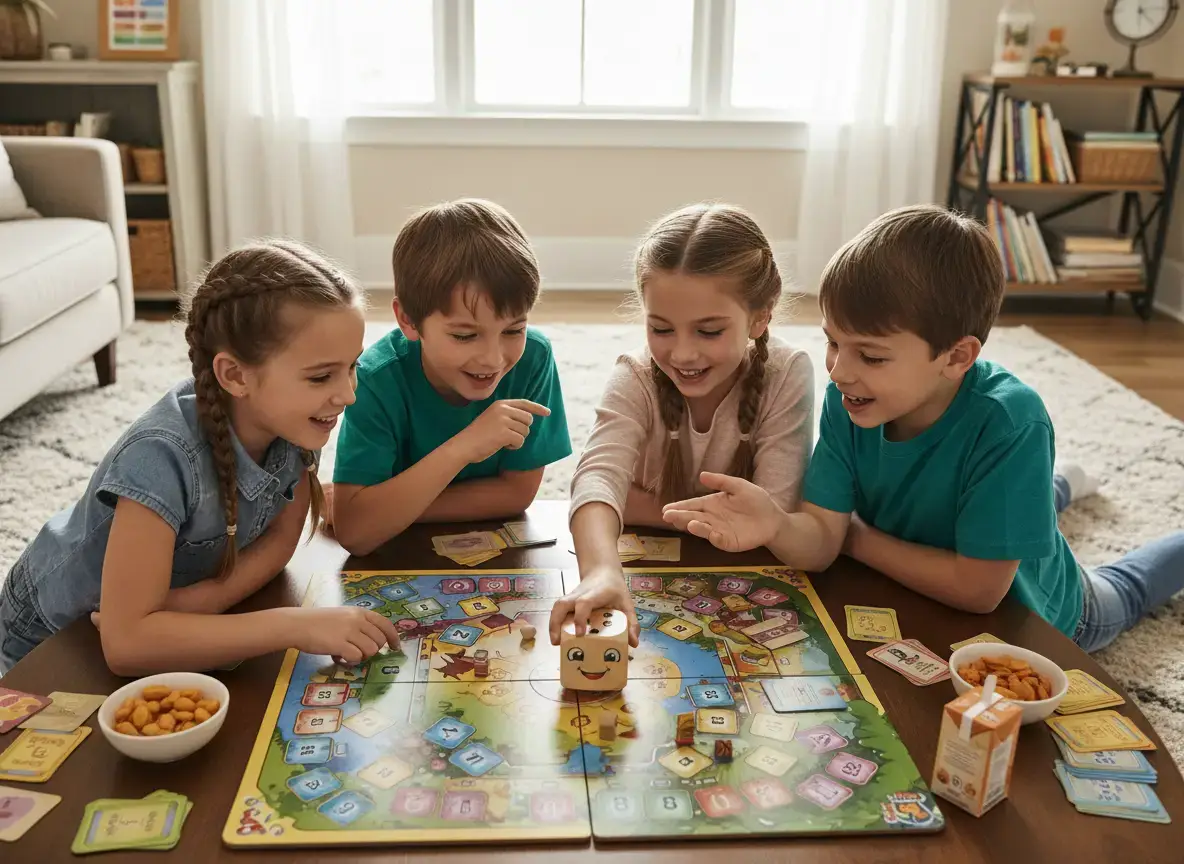
- Games
- Emotion
That is why the best way to learn Arabic for children is through a method that feels natural, playful, and pressure-free.
Learn more in our complete guide:
Learn Arabic for Kids – Complete Parent Guide
2) Start with the Arabic Alphabet — The Right Way
Before speaking and reading, children must feel comfortable with Arabic letters.
The best approach includes:
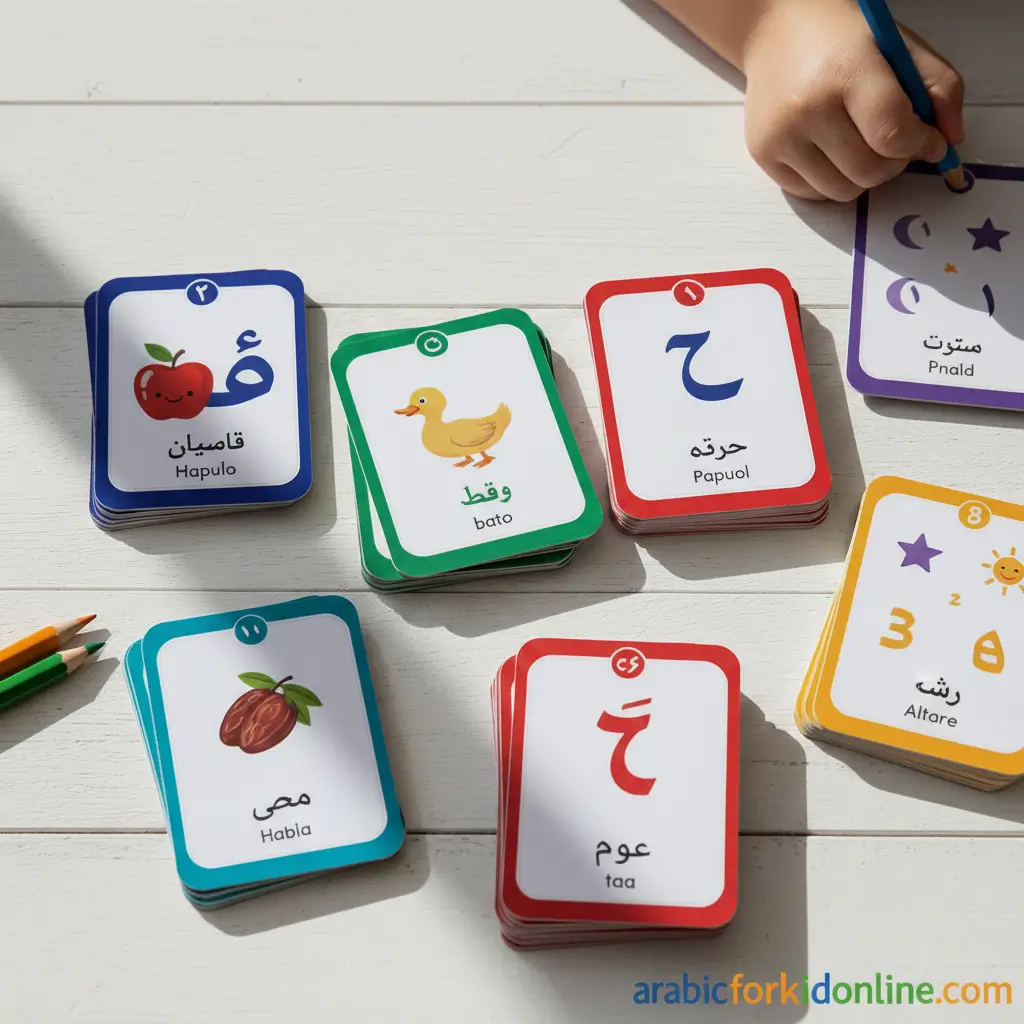
- Colorful flashcards
- Songs with rhythm
- Tracing and drawing
- Matching games
Avoid:
- Long boring lessons
- Forcing memorization
- Teaching letters without sound
Children learn letters faster when they connect them to real words they hear every day.
3) Use Listening Before Speaking
One of the biggest mistakes parents make is pushing children to speak too early.
In reality:
- Listening comes first
- Speaking comes naturally later
The best method includes:
- Short daily listening sessions
- Simple Arabic songs
- Stories with pictures
- Repeating words naturally
This builds:
- Correct pronunciation
- Confidence
- Natural sentence flow
4) Make Learning Arabic Fun (This Is the Secret)
Children learn faster when learning feels like play.
The most effective tools include:
- Games
- Songs
- Movement activities
- Storytelling
- Rewards and praise
When children enjoy the process:
- They remember more
- They speak faster
- They never fear mistakes
Fun is not a bonus — it is the foundation.
5) Choose the Right Type of Arabic
Parents often ask:
“Should my child learn Fus’ha or a dialect?”
The best strategy is simple:
- Start with Modern Standard Arabic (Fus’ha)
- Add dialect naturally in daily life
This helps with:
- Reading and writing
- Qur’an understanding
- Long-term learning
6) Online Arabic Classes — The Fastest Method Today
For many families today, the best way to learn Arabic for children is through professional online classes.
Online lessons offer:
- One-to-one attention
- Flexible schedules
- Faster reading progress
- Structured learning plans
- Learning from home
A good program includes:
- Alphabet lessons
- Speaking practice
- Reading activities
- Games and worksheets
- Weekly assessments
Discover the benefits here:
contact us
⭐ Try a Free Arabic Lesson for Your Child
The fastest way to see real progress is with a professional teacher who specializes in children.
With online Arabic lessons:
- Your child learns faster
- Lessons feel fun, not stressful
- You receive progress updates
- Flexible schedules for busy families
Start a Free Trial Arabic Lesson Today
7) How Long Does It Take for Children to Learn Arabic?
Every child is different, but here is a realistic timeline:
- 1–2 months: letters and sounds
- 3–4 months: reading simple words
- 6 months: short sentences
- 1 year: confident reading and speaking
Consistency matters more than talent.
8) A Simple Step-by-Step Plan That Works
Here is the proven system:
Step 1: Start with letters and sounds
Step 2: Add simple daily words
Step 3: Introduce short reading practice
Step 4: Use apps for repetition
Step 5: Add online lessons
Step 6: Praise every small success
This method works for beginners and advanced children alike.
FAQs – Best Way to Learn Arabic for Children
What is the best age to start learning Arabic?
Ages 4–12 are ideal because children absorb languages naturally and develop strong pronunciation skills.
Is it better to learn Arabic online or in school?
Online classes often work better because children receive personal attention and flexible schedules.
Can children learn Arabic if parents do not speak it?
Yes. Many children learn Arabic successfully through structured lessons and online programs.
How many lessons per week are best?
Two sessions per week plus daily short practice gives excellent results.
Final Advice for Parents
The best way to learn Arabic for children is simple:
- Start early
- Keep it fun
- Be consistent
- Use professional guidance
- Avoid pressure
With the right method, Arabic becomes not just a subject — but a beautiful lifelong skill your child will carry with pride.