Helping your child learn Arabic today is one of the best gifts you can offer them. It opens doors to culture, confidence, and communication. And the best part? Kids learn languages faster and more naturally than adults—so starting early gives them a huge advantage.
The Importance of Learning Arabic for Kids
A Global Language With Deep Cultural Roots
Arabic isn’t just another language—it’s a doorway into a rich world full of stories, values, and history. When kids learn Arabic, they instantly connect with more than 300 million speakers across the world. It helps them understand traditions, celebrations, and the beauty of Arab culture in a deeper, more meaningful way.
The Role of Arabic in Islamic Knowledge
For Muslim families, Arabic is essential for understanding the Quran. When children learn even the basics—letters, sounds, simple words—they build a stronger connection to their faith. They don’t just read; they understand.
learn arabic for kids full guide
Cognitive and Developmental Benefits
Strengthening Memory and Focus
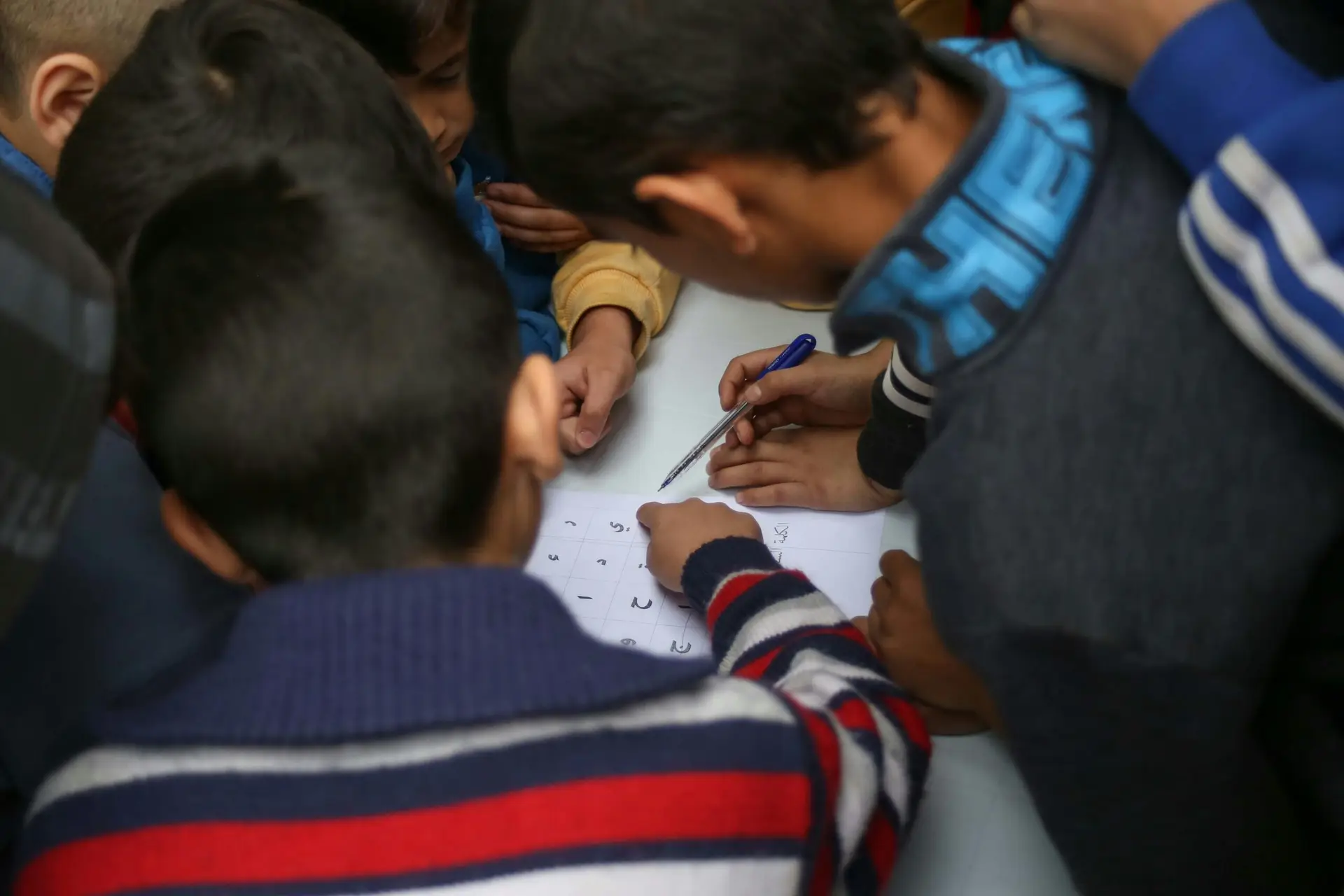
Arabic has a unique script and structure, which helps train a child’s memory. Recognizing letters, connecting shapes, and forming words gives their brain an excellent workout.
Boosting Early Communication Skills
Learning two languages at a young age improves communication. Kids become better listeners, sharper speakers, and more confident in expressing themselves.
Enhancing Problem-Solving & Creativity
Arabic grammar encourages kids to think logically. And reading right-to-left introduces their brain to new patterns, which boosts creativity and problem-solving.
Why Arabic Helps Kids in School
Better Reading and Writing Skills
When children learn Arabic, they develop strong decoding and comprehension abilities. These skills naturally transfer to English and other subjects.
Learning Grammar Improves Logical Thinking
Arabic grammar encourages pattern recognition, helping children build structured, logical thinking—valuable for math, science, and writing.
Emotional and Social Advantages
Building Confidence Through New Skills
Kids feel proud when they can read Arabic letters or understand a word from a story. Every small achievement builds long-lasting confidence.
Connecting With Family and Heritage
Arabic helps children communicate with grandparents, relatives, and family friends. It strengthens bonds and keeps the family’s cultural identity alive.
Why Learning Arabic Online Is Easier for Kids
Interactive Lessons Made for Children
Online Arabic lessons today are built especially for kids—colorful, simple, and fun. They include characters, animations, and activities that keep children excited.
Fun Games, Videos, and Stories
Kids learn best when they enjoy what they’re doing. Games, stories, songs, and worksheets turn Arabic learning into a joyful adventure, not a chore.
Flexible Schedules for Families
Busy family? No problem. Online classes let kids learn anytime, anywhere, without stress.
How Arabic Supports Quran Learning
Understanding Quranic Words
Learning simple Arabic vocabulary helps children understand verses and meanings instead of memorizing blindly.
Learning the Arabic Alphabet for Quran
Recognizing letters, reading short words, and practicing sounds make Quran reading much easier and more enjoyable.
The Future Benefits of Learning Arabic Early
Academic Opportunities
Kids who grow up bilingual often perform better in school. Arabic adds depth to their language abilities and makes them stand out in academic environments.
Career Advantages in a Global World
Arabic is one of the world’s most in-demand languages. Starting early gives children a valuable skill for the future.
Best Ways for Kids to Start Learning Arabic
Online Courses and Apps
There are many child-friendly Arabic learning platforms offering videos, lessons, and structured programs.
Arabic Stories for Kids
Stories bring language to life. Children naturally learn vocabulary, pronunciation, and grammar while enjoying adventures.
Practice Through Songs, Worksheets, and Games
Songs help with pronunciation, worksheets build writing skills, and games boost engagement. A perfect, balanced mix.
Tips for Parents Supporting Their Child’s Learning
Daily Micro-Learning Habits
Just 10 minutes a day can make a huge difference. A quick game, a short story, or even practicing letters.
Encouraging Fun, Not Pressure
Learning should feel exciting. Celebrate small wins, keep the atmosphere light, and let your child enjoy the journey.
Conclusion: Give Your Child the Gift of Arabic
Helping your child learn Arabic is more than a lesson—it’s a journey of culture, identity, faith, and opportunity. With the right tools, engaging lessons, and fun activities, Arabic becomes simple, enjoyable, and deeply rewarding.
FAQs
1. What is the best age for a child to start learning Arabic?
Children can start as early as 3–4 years old, especially with gentle, fun lessons.
2. Can kids learn Arabic even if parents don’t speak it?
Absolutely! With online classes, stories, apps, and videos, kids learn independently.
3. Is online Arabic learning effective for young children?
Yes—interactive online learning keeps kids focused through stories, games, and visual lessons.
✨ Ready to help your child start their Arabic journey?
👉 Join our interactive Arabic classes for kids now
Fun lessons, native teachers, stories, games, and a free trial session to get started!