Arabic Numbers for Kids: 1 to 10 With Fun Activities

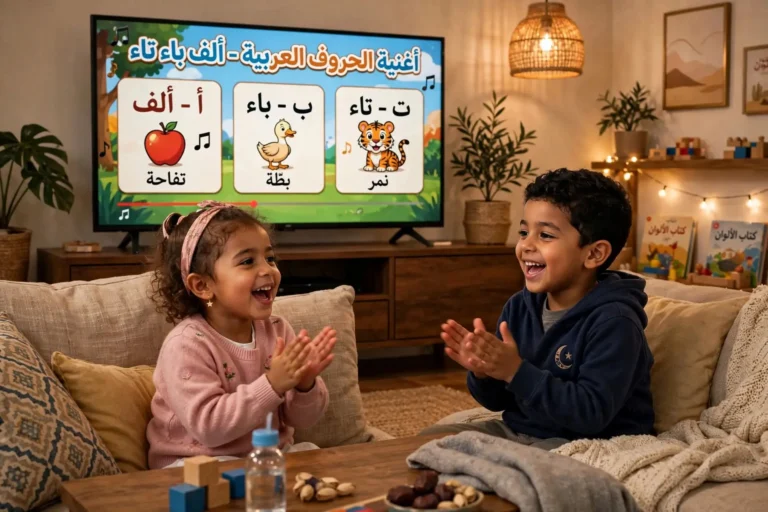
So your kid knows a few Arabic letters. Maybe they can say “Alif” and “Ba.” But numbers? That’s a different story.
Here’s the thing — most parents teach Arabic numbers the wrong way. They sit their kid down with a worksheet and say “repeat after me” until everyone’s bored.
I’ll be straight with you. That doesn’t work for kids. And it definitely doesn’t work for tired parents.
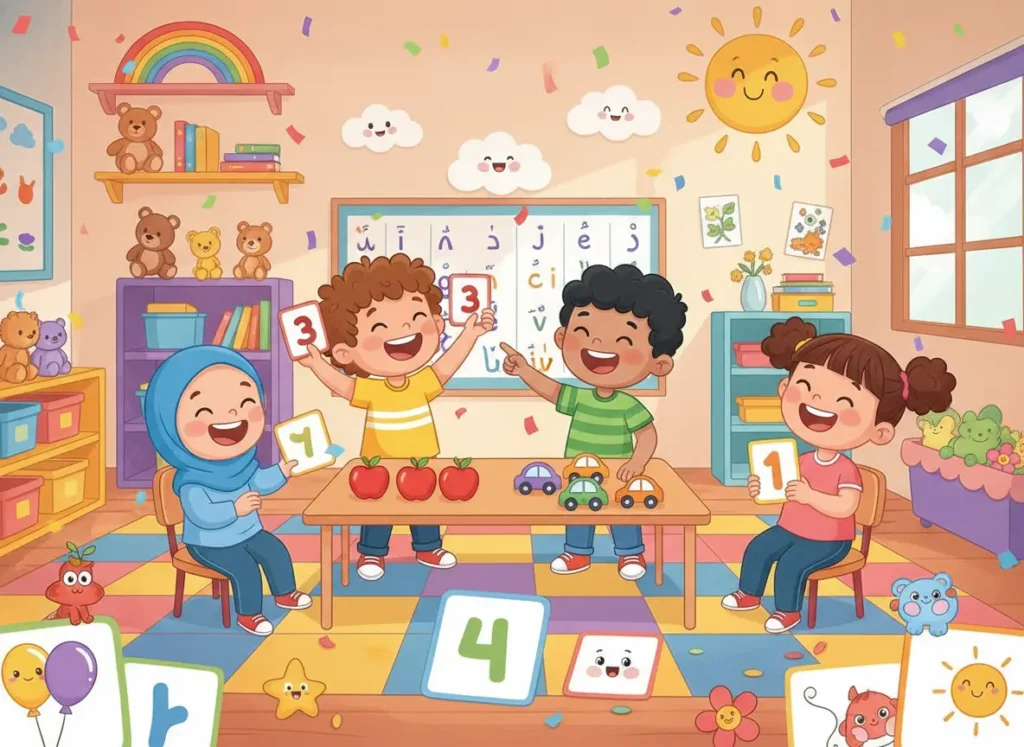
Kids learn numbers when they use them. Not when they memorize them like robots. So let me show you exactly how to teach Arabic numbers 1 to 10 in a way that actually sticks — without tears, without boring worksheets, and without losing your mind.
First, Something That Confuses Almost Every Parent

Before we jump into the numbers, I need to clear something up.
Arabic has two different number systems. Yes, two.
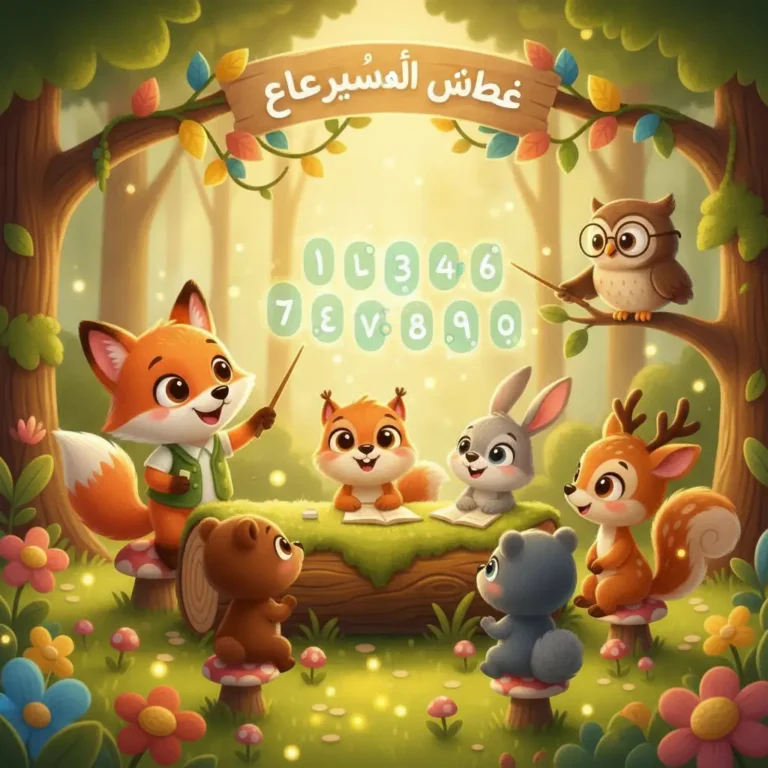
1. Eastern Arabic Numerals — these are the ones you’ll see in Arabic books, on Arab TV, and in most apps. They look like this:
٠ ١ ٢ ٣ ٤ ٥ ٦ ٧ ٨ ٩
2. Western Arabic Numerals — these are the ones we all use every day. 0 1 2 3 4 5 6 7 8 9
Here’s the funny thing — the numbers on your calculator? They’re actually called “Arabic numerals.” They came from the Arab world originally. So in a weird way, your kid already knows Arabic numbers. Kind of.
For this article, we’re focusing on the words and how to say the numbers. That’s what matters first. The numerals come naturally after.
Arabic Numbers 1 to 10: The Full List

Here’s every number. Say them out loud. Don’t just read them.
| Number | Arabic Word | How to Say It | Eastern Numeral |
|---|---|---|---|
| 1 | واحد | Waa-hid | ١ |
| 2 | اثنان | Ith-naan | ٢ |
| 3 | ثلاثة | Tha-laa-tha | ٣ |
| 4 | أربعة | Ar-ba-ah | ٤ |
| 5 | خمسة | Kham-sah | ٥ |
| 6 | ستة | Sit-tah | ٦ |
| 7 | سبعة | Sab-ah-ah | ٧ |
| 8 | ثمانية | Thah-mah-nee-yah | ٨ |
| 9 | تسعة | Tis-ah-ah | ٩ |
| 10 | عشرة | Ash-rah | ١٠ |
Print this. Stick it on the fridge. Let your kid see it every day. Repetition beats any fancy app.
The #1 Mistake Parents Make
They teach numbers in order. Every single time. 1,2,3,4,5,6,7,8,9,10.
What happens? The kid learns the sequence, not the numbers. Ask them “what’s 5?” and they start counting from 1 until they hit it.
Do this instead: Teach out of order. Point to things randomly. “How many fingers am I holding up?” Mix it up constantly. This forces their brain to actually remember, not just chant.
What About the Tricky Sounds?
You noticed them already. “Thalatha” (3) and “Thamanya” (8) sound close. “Ithnaan” (2) has that “th” sound English doesn’t have.
Kids mix these up. Adults mix these up. It’s totally normal.
Here’s the fix: Exaggerate.
- Say “THALATHAAAA” — super long
- Say “thamaaaanyaaaa” — different rhythm
Make it silly. Your kid will laugh. And they’ll remember the difference because you made it fun, not stressful.
5 Activities That Actually Work

Activity 1: The Counting Clap Game
You say a number in Arabic. Your kid claps that many times.
You say خمسة (khamsa). They clap 5 times.
You say ثلاثة (thalatha). They clap 3 times.
Then switch. Let them say the number, you clap. Kids love being the teacher.
Five minutes a day. That’s it.
Activity 2: Snack Time Counting
Grab grapes, crackers, or anything bite-sized.
“Give me waahid (1) grape.”
“Give me khamsa (5) crackers.”
Kids love food. Use it. Don’t overthink this one.
Activity 3: Number Hunt
Write Arabic numbers on sticky notes. Hide them around the room.
“Find sitta (6)!”
“Find arba’a (4)!”
When they find it, they have to say it out loud. Now they’re moving, thinking, and speaking all at once.
Activity 4: Sticker Chart
Draw 10 squares on a paper. Every time your child says a number correctly (out of order, remember?), they put a sticker in a square.
When the chart fills up? Small prize. Stickers, extra screen time, a trip to the park. Whatever works.
Activity 5: Arabic Number Songs on YouTube
I’ll be honest — YouTube is your best friend here.
Search “Arabic numbers song for kids.” There are dozens. Animated videos with catchy tunes that go through 1 to 10.
Let your kid watch the same one 3–4 times in a row. Don’t worry about “screen time guilt.” The repetition is the point. Music is one of the fastest ways the brain locks in new vocabulary.
Some channels to look for: Hala Arabic, Arabic with Zaky, LittleSteps Arabic.
and for learning arabic ultimate guide
A Realistic Weekly Routine

You don’t need hours. You need consistency.
Monday: Introduce 2 numbers (1 & 2). Say them. Repeat them. Snack counting.
Tuesday: Review those 2. Add 1 more (3). Clap game.
Wednesday: Review all 3. Number hunt with sticky notes.
Thursday: Same 3 numbers. Sticker chart time.
Friday: Quick review of everything. Watch a number song.
Saturday and Sunday? Off. You’re done.
That’s 10-15 minutes a day. In 3 weeks, your kid will know 1-10 cold.
How to Use Numbers in Real Life (Even If You Don’t Speak Arabic)
This is the secret. Don’t just “study” numbers. Use them.
- “You have waahid cookie left.”
- “Give me ithnayn crayons.”
- “We need khamsa minutes until dinner.”
You don’t need to be fluent. Just swap the English number for the Arabic one whenever you can. The more your child hears numbers in context, the faster they stick.
What About MSA vs. Dialects?
Good question.
The numbers I gave you are Modern Standard Arabic (MSA). That’s the “official” Arabic you find in books, schools, and formal settings.
But in real life? People say numbers differently depending on the country.
In Egyptian Arabic, for example:
- 3 is often said تلاتة (talaata) instead of ثلاثة (thalatha)
- 2 is اتنين (itneen) instead of اثنان (ithnan)
If you’re raising your kid to speak a specific dialect — Egyptian, Levantine, Gulf — it’s fine to use the dialect versions. They’ll still recognize MSA numbers in books and school.
If you’re not sure, start with MSA. It’s the safe choice.
How Long Does This Take?
A lot of parents ask me this.
Most kids can learn all 10 numbers in 1–2 weeks with 10–15 minutes a day. Some kids get it in 3 days. Some take a month. Both are fine.
The mistake is pushing too fast. Teach 1–5 first. Really make sure they know those five before moving to 6–10. Don’t rush to 10 just because it feels like a milestone.
Slow is smooth. Smooth is fast.
When Do You Move to 11-20?
Move on when your child can do three things:
- Say 1-10 in order without hesitating
- Point to the right number when you say it randomly (out of order)
- Count objects using Arabic numbers (5 grapes = “khamsa”)
Hit those three? Move on. Numbers 11-19 follow a pattern — they’re basically the unit number + عشر (ashar, meaning ten). So 11 is ahad ashar, 12 is ithna ashar, and so on.
But don’t jump ahead yet. Get 1–10 solid first.
Quick Reference Cheat Sheet

١ — واحد — Waa-hid — One
٢ — اثنان — Ith-naan — Two
٣ — ثلاثة — Tha-laa-tha — Three
٤ — أربعة — Ar-ba-a — Four
٥ — خمسة — Kham-sa — Five
٦ — ستة — Sit-ta — Six
٧ — سبعة — Sab-a — Seven
٨ — ثمانية — Tha-maa-ni-ya — Eight
٩ — تسعة — Tis-a — Nine
١٠ — عشرة — Ash-a-ra — Ten
Cut it out. Put it on the fridge. Thank me later.
Want Someone Else to Handle This?
Look, I get it. You’re busy. You want your kid to learn Arabic, but you don’t have time to plan activities every week.
That’s exactly what our Arabic for Beginners course is for.
We teach numbers. Letters. Words. Conversations. Short lessons. Native teachers. And you don’t need to speak Arabic to follow along.
[Book a free trial here] — one lesson. See if your kid likes it. No pressure. Just show up.
Teaching your child Arabic numbers isn’t complicated. It’s just consistent. Five minutes here. A snack time activity there. A song in the car.
Start with 1 and 2 today. Just those two. Say them at breakfast.
Tomorrow add 3.
By next month, your kid will count to 10 in Arabic. And you’ll be proud.